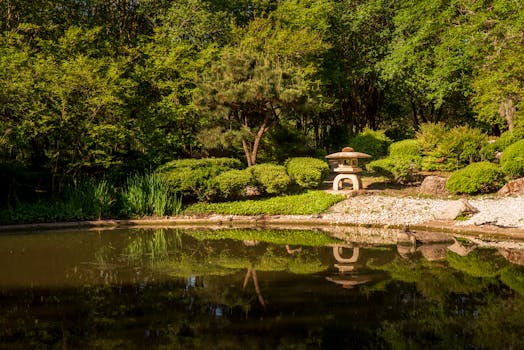



Many envision ponds landscaping as merely adding a water feature for visual appeal. It’s a common misconception that a water garden is simply a decorative element, a still reflection of the sky. However, when approached with intention and an understanding of natural principles, ponds landscaping evolves into something far more profound: a dynamic, living ecosystem that enriches your property and your life. It’s not just about digging a hole and filling it with water; it’s about orchestrating a miniature natural world right in your backyard.
Beyond Beauty: The Ecological Heart of Your Water Feature
The true magic of well-executed ponds landscaping lies in its capacity to foster biodiversity. A thoughtfully designed pond can become a haven for a remarkable array of creatures, from the tiniest plankton to dragonflies, frogs, and even visiting birds. This ecological integration not only enhances the beauty and dynamism of your garden but also contributes to local wildlife conservation. It’s about creating a self-sustaining haven where nature thrives.
#### Attracting Beneficial Wildlife
Consider the delight of watching dragonflies flit across the water’s surface or hearing the gentle croak of frogs on a summer evening. These aren’t just pleasant sounds and sights; they are indicators of a healthy environment. By selecting appropriate aquatic plants and ensuring proper water conditions, you can create an irresistible habitat. Native aquatic plants are particularly crucial as they provide food and shelter for indigenous insect and amphibian populations. My own garden experienced a significant uptick in butterfly visitors once I introduced native water lilies and irises.
#### Creating a Balanced Ecosystem
A balanced pond is a low-maintenance pond. This balance is achieved through a careful interplay of plants, beneficial bacteria, and sometimes, small aquatic life like snails or certain fish species. Plants are the unsung heroes here; they oxygenate the water, absorb excess nutrients that could lead to algae blooms, and provide shade. Without adequate plant life, your pond risks becoming a stagnant, murky environment.
Designing Your Aquatic Canvas: Form Meets Function
The initial design phase is critical for ensuring both aesthetic success and ecological health in your ponds landscaping project. It’s where form truly meets function, and a little foresight can prevent a lot of future headaches.
#### Site Selection: Sun, Shade, and Access
Choosing the right location is paramount. Most aquatic plants, especially flowering varieties like water lilies, require at least six hours of direct sunlight daily. However, too much intense, prolonged sun can also lead to rapid algae growth and overheating, which can stress aquatic life. A spot with dappled shade or morning sun and afternoon shade is often ideal. Also, consider accessibility for maintenance and viewing – you want to be able to enjoy your pond without undue effort.
#### Pond Shape and Depth Considerations
The shape and depth of your pond will influence its ecosystem. Shallow ponds are easier to maintain and warm up quickly, which can be good for certain plants but also risk evaporation. Deeper ponds offer more stable temperatures, which is beneficial for fish and can help prevent ice formation in colder climates. Consider creating different zones: a shallow marginal area for bog plants, a deeper central zone for fish, and perhaps a submerged area for oxygenating plants. This diversity in habitat supports a richer biodiversity.
Plant Selection: The Green Architects of Your Pond
The right plants are the backbone of any successful ponds landscaping endeavor. They are not mere decorations but active participants in the pond’s life cycle.
#### Oxygenators: The Lungs of Your Pond
These submerged plants, like Anacharis or Hornwort, are vital for releasing oxygen into the water, which is essential for fish and beneficial bacteria. They also compete with algae for nutrients, helping to keep the water clear. Their tireless work often goes unnoticed, but without them, your pond’s health would quickly decline.
#### Marginals: The Shoreline Specialists
Plants that thrive in shallow water at the pond’s edge, such as irises, rushes, and sedges, provide essential habitat and food sources for insects and amphibians. They also help to break up the harsh lines of the pond’s edge, integrating it more naturally into the surrounding landscape. Think of them as the pond’s natural filtration system and welcoming committee.
#### Floaters and Surface Plants: Shade and Beauty
Water lilies and lotus flowers are the showstoppers, offering stunning blooms and crucial shade. This shade helps to keep the water cooler, reducing algae growth. Floating plants like duckweed (though be mindful of its aggressive spread!) can also provide shade and cover for small fish.
Maintaining the Harmony: Essential Pond Care
Even the most well-designed pond requires some attention to maintain its delicate balance. Regular, simple tasks can prevent larger problems down the line.
#### Water Quality Checks
Periodically testing your water for pH, ammonia, and nitrite levels is a good practice, especially if you have fish. These parameters are key indicators of your pond’s health. Natural filtration methods, aided by the plants, are always the first line of defense.
#### Algae Management: A Natural Approach
While some algae are natural and even beneficial, excessive blooms can signal an imbalance. Often, this is due to too much sunlight, too many nutrients, or insufficient plant life. Increasing your plant coverage, especially with oxygenators and surface plants, is usually the most effective long-term solution. Avoid harsh chemical treatments, which can harm beneficial organisms and disrupt the ecosystem.
#### Seasonal Care for Longevity
As seasons change, so does your pond’s needs. In autumn, you’ll want to remove fallen leaves to prevent them from decaying and adding excess nutrients. In spring, it’s time to trim back dead foliage and ensure your plants are thriving. Winterizing your pond properly is also crucial in colder climates to protect fish and prevent the entire body of water from freezing solid.
Final Thoughts: Cultivating Your Oasis
Ultimately, embracing ponds landscaping is an invitation to cultivate not just a beautiful garden feature, but a miniature, thriving ecosystem. It’s a journey of observation, learning, and gentle intervention that rewards you with unparalleled natural beauty and a profound connection to the living world around you. Don’t view your pond as a static ornament; see it as a dynamic canvas upon which nature paints its ever-changing masterpiece.